


Essential Smart Home Technologies You Need to Know
- Golden Audiovisual
- Dec 1, 2025
- 3 min read

Smart home technology has transformed the way we live, making daily routines easier, safer, and more energy-efficient. From controlling lights with your voice to securing your home remotely, these technologies offer convenience and peace of mind. If you want to upgrade your living space or simply understand what smart home devices can do for you, this guide covers the crucial technologies you should know.

Smart Lighting Systems
Smart lighting is one of the most popular and accessible smart home technologies. It allows you to control your lights remotely or automate them based on your schedule or presence. Here are some key features:
Remote control: Use your smartphone or voice assistant to turn lights on or off from anywhere.
Scheduling: Set lights to turn on or off at specific times to save energy and improve security.
Color and brightness adjustment: Customize lighting to match your mood or activity.
Integration: Connect with other smart devices like motion sensors or security systems.
For example, Philips Hue offers bulbs that can change colors and sync with music or movies, enhancing your home entertainment experience.
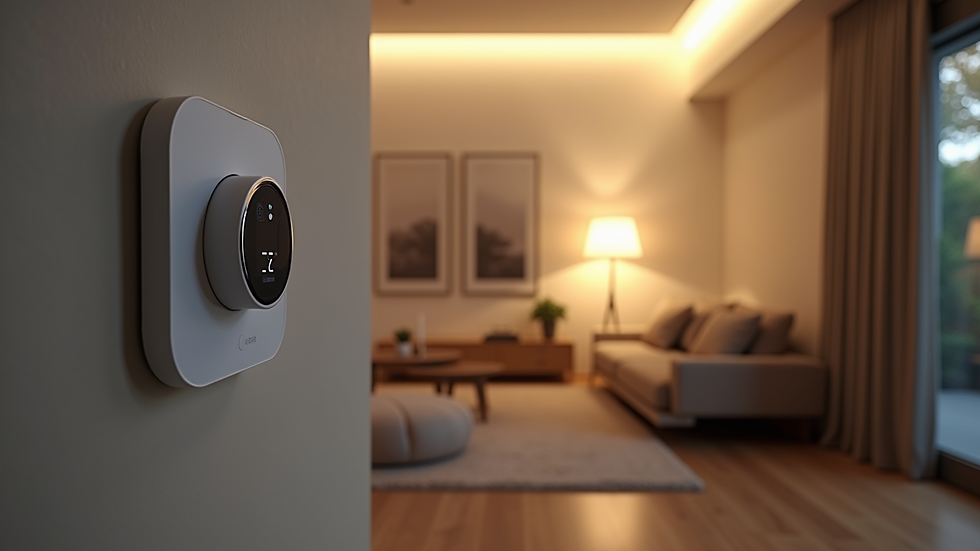
Smart Thermostats
Heating and cooling account for a large part of home energy use. Smart thermostats help reduce energy bills by learning your habits and adjusting temperatures accordingly.
Learning capabilities: Devices like Nest learn your schedule and preferences to optimize heating and cooling.
Remote access: Adjust your home's temperature from your phone before you arrive.
Energy reports: Track your energy usage and get tips to save more.
Integration: Work with other smart devices such as window sensors to avoid heating or cooling an empty house.
A study by the Environmental Protection Agency found that smart thermostats can save homeowners about 10-12% on heating and 15% on cooling costs.
Voice Assistants
Voice assistants like Amazon Alexa, Google Assistant, and Apple Siri act as the central hub for many smart home devices. They allow hands-free control and can perform a variety of tasks:
Control smart devices: Turn on lights, adjust thermostats, or lock doors with voice commands.
Information and reminders: Get weather updates, set timers, or create shopping lists.
Entertainment: Play music, podcasts, or audiobooks.
Routines: Automate multiple actions with a single command, such as "Good night" to turn off lights and lock doors.
Voice assistants are especially useful for people with mobility challenges or busy households.
Smart Security Systems
Home security has improved significantly with smart technology. These systems offer real-time monitoring and alerts to keep your home safe.
Smart cameras: View live video feeds and receive motion alerts on your phone.
Smart locks: Lock or unlock doors remotely and provide temporary access codes to guests.
Sensors: Detect window or door openings, smoke, or carbon monoxide.
Integration: Connect with other devices like lights or alarms to deter intruders.
For example, Ring’s video doorbells allow you to see and speak with visitors even when you are not home.
Smart Appliances
Smart appliances bring convenience and efficiency to everyday tasks.
Smart refrigerators: Monitor contents, suggest recipes, and notify you when items are running low.
Smart ovens: Preheat remotely and receive alerts when cooking is done.
Robot vacuums: Schedule cleaning sessions and control them via apps.
Laundry machines: Get notifications when cycles finish and optimize water and energy use.
These appliances save time and help manage household chores more effectively.
Energy Management Systems
Beyond individual devices, whole-home energy management systems provide a bigger picture of your energy use.
Real-time monitoring: Track energy consumption of various devices.
Smart plugs: Control and schedule power to appliances to reduce waste.
Solar integration: Manage solar panels and battery storage.
Cost savings: Identify high-energy devices and adjust usage patterns.
Companies like Sense offer systems that learn your home's energy signature and provide detailed insights.
Smart Entertainment Systems
Smart technology has changed how we enjoy media at home.
Streaming devices: Access movies, TV shows, and music from various platforms.
Smart TVs: Integrate with voice assistants and other smart devices.
Multi-room audio: Play synchronized music throughout the house.
Gaming consoles: Connect with smart home setups for immersive experiences.
These systems create a seamless entertainment environment tailored to your preferences.
Interoperability and Ecosystem Considerations
When building a smart home, it’s important to consider how devices work together.
Compatibility: Choose devices that support common platforms like Alexa, Google Assistant, or Apple HomeKit.
Security: Use strong passwords and keep software updated to protect your network.
Scalability: Start with essential devices and expand gradually.
User-friendliness: Select devices with intuitive apps and clear instructions.
Planning your smart home ecosystem ensures smooth operation and future upgrades.


Comments