


Indoor TVs vs Outdoor TVs Understanding the Key Differences
- Golden Audiovisual
- Mar 31
- 4 min read

Choosing the right television for your space can be tricky, especially when deciding between indoor and outdoor TVs. While they may look similar at first glance, these two types of televisions are designed for very different environments and uses. Understanding their key differences helps you make an informed choice that ensures the best viewing experience and durability.
What Makes Indoor TVs Different
Indoor TVs are the most common type found in homes, offices, and other enclosed spaces. They are designed to deliver excellent picture quality in controlled lighting and temperature conditions.
Design and Build
Indoor TVs typically have a sleek, lightweight design with a focus on aesthetics. They are made to fit seamlessly into living rooms or bedrooms, often with thin bezels and stylish stands or mounts.
Screen Brightness and Display
Indoor TVs usually have brightness levels ranging from 250 to 500 nits. This brightness is sufficient for rooms with moderate lighting but can struggle in very bright or direct sunlight conditions. The screens often use LED or OLED technology, offering vibrant colors and deep blacks.
Environmental Considerations
Indoor TVs are not built to withstand moisture, dust, or extreme temperatures. Using them outside exposes them to risks like water damage, overheating, or malfunction due to dust and debris.
Price Range
Indoor TVs come in a wide range of prices, from budget-friendly models to high-end options with advanced features like 4K resolution, HDR, and smart TV capabilities.
Why Outdoor TVs Are Different
Outdoor TVs are specifically engineered to handle the challenges of outdoor environments. They provide a reliable viewing experience even under harsh conditions.
Weatherproof Construction
Outdoor TVs feature sealed enclosures that protect internal components from rain, humidity, dust, and insects. Their casings are often made from durable materials like aluminum or reinforced plastic.
Higher Brightness Levels
To combat sunlight glare, outdoor TVs have much higher brightness levels, often exceeding 1000 nits. This ensures the screen remains visible even in direct sunlight.
Temperature Resistance
Outdoor TVs are designed to operate in a wide temperature range, from freezing cold to extreme heat. They include cooling systems or heat-resistant components to maintain performance.
Anti-Glare Screens
Many outdoor TVs come with anti-reflective coatings or matte screens to reduce glare and improve visibility in bright conditions.
Installation and Mounting
Outdoor TVs often require specialized mounts that secure the TV firmly against wind or other outdoor elements. These mounts may also allow for tilting or swiveling to optimize viewing angles.
Price Considerations
Outdoor TVs tend to be more expensive due to their rugged design and specialized features. The investment pays off in durability and consistent performance outdoors.
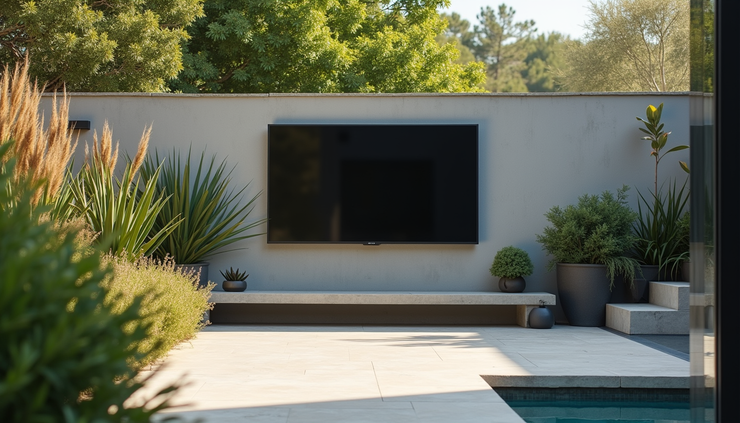
Comparing Picture Quality
Picture quality is a major factor when choosing between indoor and outdoor TVs. Indoor TVs generally offer better color accuracy and contrast because they operate in controlled lighting. Outdoor TVs prioritize brightness and anti-glare features, which can sometimes reduce color vibrancy.
For example, an indoor OLED TV can deliver stunning deep blacks and rich colors in a dim living room. In contrast, an outdoor TV with a bright LED panel ensures the picture is visible on a sunny deck but may not match the indoor TV’s color depth.
Durability and Longevity
Indoor TVs are not built to last outdoors. Exposure to moisture or dust can cause permanent damage. Outdoor TVs use weatherproof seals and tough materials to extend their lifespan in challenging conditions.
If you try to use an indoor TV outside, you risk voiding the warranty and facing costly repairs or replacements. Outdoor TVs are tested to meet standards for water resistance and temperature tolerance, making them a safer choice for patios, pool areas, or outdoor kitchens.
Installation Differences
Indoor TVs are usually mounted on walls or placed on stands with simple installation. Outdoor TVs require more careful planning:
Use weather-resistant mounts
Ensure proper ventilation to avoid overheating
Position the TV to minimize direct sunlight glare
Protect cables with waterproof covers
Professional installation is often recommended for outdoor TVs to ensure safety and optimal performance.
Power and Connectivity
Outdoor TVs may have additional features like built-in speakers designed to project sound in open spaces. They also often include weatherproof ports for HDMI, USB, and power connections.
Indoor TVs rely on standard power outlets and may have more options for smart TV apps and streaming services, as they connect to stable home Wi-Fi networks.
When to Choose Indoor TVs
You want the best picture quality in a controlled environment
Your TV will be inside a room with moderate lighting
Budget is a primary concern
You prefer a wide selection of models and features
When to Choose Outdoor TVs
You need a TV for a patio, backyard, pool area, or other outdoor space
The TV will be exposed to weather elements like rain, dust, or sun
You want a durable, long-lasting solution with high brightness
You are willing to invest more for weatherproofing and specialized features
Practical Tips for Using TVs Outdoors
Place the TV in a shaded area to reduce glare and heat exposure
Use a weatherproof cover when the TV is not in use
Regularly clean the screen and vents to prevent dust buildup
Check the TV’s IP rating (Ingress Protection) to understand its resistance level
Summary
Indoor and outdoor TVs serve different purposes and environments. Indoor TVs excel in picture quality and design for controlled spaces, while outdoor TVs offer durability, brightness, and weather resistance for open-air use. Choosing the right TV depends on where you plan to use it and what features matter most to you.


Comments