


Top 10 Smart Home Trends to Watch for in 2026
- Golden Audiovisual
- Feb 6
- 4 min read

Smart home technology continues to evolve rapidly, reshaping how we live, work, and interact with our living spaces. As we approach 2026, new trends are emerging that promise to make homes more connected, efficient, and responsive to our needs. This post explores the top 10 smart home trends that will define the year ahead, offering practical insights and examples to help you stay ahead of the curve.
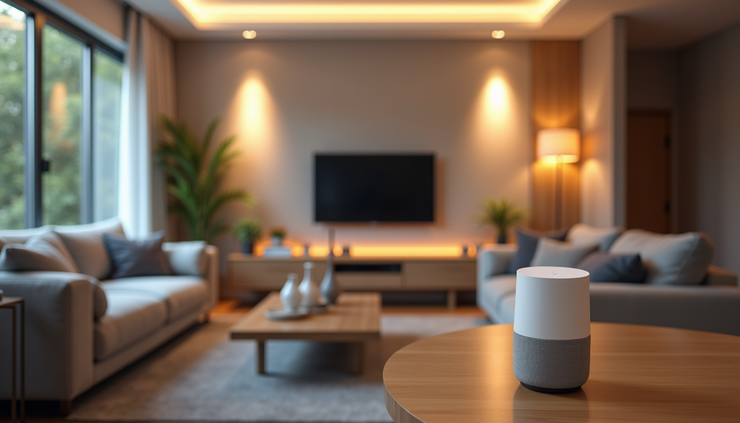
1. Voice Control Becomes More Natural and Context-Aware
Voice assistants have become common in many homes, but in 2026, they will get smarter and more intuitive. Advances in natural language processing will allow devices to understand context better, making conversations feel more natural. For example, instead of repeating commands, you might say, “Turn off the lights in the living room,” followed by “Dim the bedroom lights,” and the system will understand the context without needing to specify the room again.
This improvement will extend to multiple languages and dialects, making voice control accessible to a broader audience. Brands are focusing on privacy, ensuring voice data stays secure while improving responsiveness.
2. Energy Management Systems Gain Popularity
Energy efficiency is a growing concern for homeowners. Smart energy management systems will become more widespread in 2026, helping users monitor and reduce their energy consumption. These systems use sensors and AI to analyze usage patterns and suggest adjustments, such as optimizing heating and cooling schedules or turning off unused appliances.
For instance, a smart thermostat might learn your daily routine and adjust temperatures accordingly, saving energy without sacrificing comfort. Some systems will even integrate with solar panels and battery storage to maximize renewable energy use.
3. Enhanced Home Security with AI-Powered Cameras
Home security is evolving beyond simple cameras and alarms. In 2026, AI-powered security cameras will offer advanced features like facial recognition, behavior analysis, and real-time threat detection. These cameras can distinguish between family members, visitors, and potential intruders, reducing false alarms.
Some systems will integrate with local law enforcement or private security services, providing immediate alerts and response options. Additionally, smart locks will become more sophisticated, allowing temporary access codes and remote control via smartphones.
4. Smart Kitchens with Automated Appliances
The kitchen is becoming a hub of smart technology. Automated appliances like ovens, refrigerators, and coffee makers will communicate with each other and users to streamline cooking and food management. For example, a smart refrigerator might track expiration dates and suggest recipes based on available ingredients.
In 2026, expect more appliances to support voice commands and remote control. Some ovens will automatically adjust cooking times and temperatures based on the recipe, ensuring perfect results every time.
5. Personalized Wellness Features
Smart homes will increasingly support health and wellness. Devices will monitor air quality, humidity, and lighting to create environments that promote better sleep, reduce allergens, and improve overall well-being. For example, smart lighting systems will adjust color temperature throughout the day to support natural circadian rhythms.
Wearable devices will integrate with home systems to provide personalized recommendations. If your fitness tracker detects poor sleep, your smart home might lower bedroom temperature or reduce noise levels automatically.
6. Integration of Augmented Reality (AR) for Home Management
Augmented reality will play a bigger role in smart home management. Using AR glasses or smartphone apps, homeowners will visualize and control smart devices in real time. Imagine pointing your phone at a thermostat and seeing its current settings, or using AR to plan furniture placement with smart lighting adjustments.
This technology will simplify troubleshooting and maintenance by overlaying instructions or alerts directly onto devices, making smart homes easier to manage for everyone.
7. Increased Focus on Privacy and Data Security
As smart homes collect more data, privacy concerns grow. In 2026, manufacturers will prioritize security features to protect user information. Expect more devices with local data processing, reducing reliance on cloud storage and minimizing exposure to cyber threats.
Users will have greater control over what data is shared and with whom. Transparent privacy policies and easy-to-use settings will become standard, helping build trust between consumers and technology providers.
8. Smart Home Hubs Become Centralized Control Points
With many devices in a home, managing them individually can be overwhelming. Centralized smart home hubs will become more common, offering a single interface to control lighting, security, entertainment, and appliances. These hubs will support multiple communication protocols, ensuring compatibility with a wide range of devices.
Some hubs will use AI to automate routines based on user behavior, such as turning off all lights and locking doors when everyone leaves the house.
9. Sustainable Materials and Energy Sources in Smart Devices
Sustainability will influence smart home products more strongly in 2026. Manufacturers will use eco-friendly materials and design devices for easy repair and recycling. Energy-efficient components will reduce the environmental impact of always-on devices.
Smart homes will also integrate with renewable energy sources like solar panels and home batteries, creating self-sufficient systems that reduce reliance on the grid.
10. Smart Entertainment Systems with Immersive Experiences
Entertainment technology will become more immersive and integrated. Smart speakers, TVs, and gaming systems will work together to create personalized experiences. For example, lighting and sound systems will adjust automatically to match the mood of a movie or game.
Virtual reality (VR) and augmented reality (AR) will enhance home entertainment, offering new ways to interact with content and connect with others remotely.


Comments